


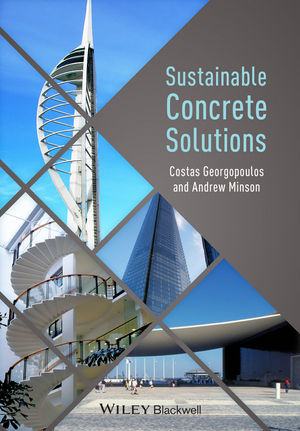
 The challenges facing humanity in the 21st century include climate change, population growth, overconsumption of resources, overproduction of waste and increasing energy demands. For construction practitioners, responding to these challenges means creating a built environment that provides accommodation and infrastructure with better whole-life performance using lower volumes of primary materials, less non-renewable energy, wasting less and causing fewer disturbances to the natural environment. Concrete is ubiquitous in the built environment. It is therefore essential that it is used in the most sustainable way so practitioners must become aware of the range of sustainable concrete solutions available for construction. While sustainable development has been embedded into engineering curricula, it can be difficult for students and academics to be fully aware of the innovations in sustainable construction that are developed by the industry.
Latest News
Sustainable Concrete Solutions by Costas Georgopoulos
Solar Advanced Systems announce “RIOS” to the Solar PV market
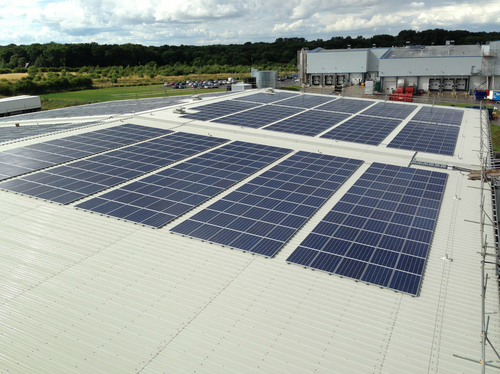 The scheme is currently catering for companies with high energy demands throughout various industry sectors along with a growing interest in the Agricultural sector.
With the support of RIOS, companies can develop their vacant roof space into solar power hubs, consuming all energy generated from the system and reducing their reliance on the national grid. Inclusive of this package, the company will partner with SAS to ensure maximum efficiency and output throughout the lifetime of the system.
The long awaited Domestic RHI is now launched
 The Long awaited Domestic Renewable Heat Incentive (RHI) was launched on the 9th April 2014.
Can nature help restore harmony in our cities?
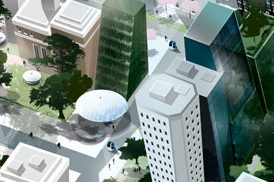 Our cities are facing an uncertain future. Underground roads and automated transport, permeable pavements and water roofs, vertical farming and even glowing trees – from large-scale interventions to smaller scale enrichments, cities in the future will need to look vastly different to cities now.
Cities Alive – rethinking green infrastructure – shows how the creation of a linked ‘city ecosystem’ that encompasses parks and open spaces; urban trees, streets, squares; woodland and waterways can help create healthier, safer and more prosperous cities. To realise this vision, green infrastructure has to now take a more influential role in the planning and design of cities and urban environments.
Treeconomics and i-Tree now nationwide
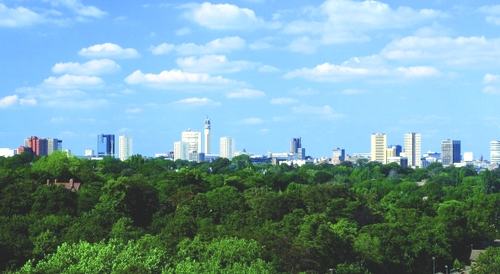 Treeconomics and their use of the i-Tree eco system, along with other relevant software packages, have already completed a number of prestigious reports, with many others in preparation or with research underway. The social enterprise company’s activities are now nationwide with projects covering many of the major conurbations, where their focus on urban tree management is very appropriate.
Both the London Victoria and Torbay project reports are now available in printed form for those that would like to receive a copy. Indeed, the project in the Victoria BID (Business Improvement District) is also supported by a dedicated best practice guide, which is also available on request.