


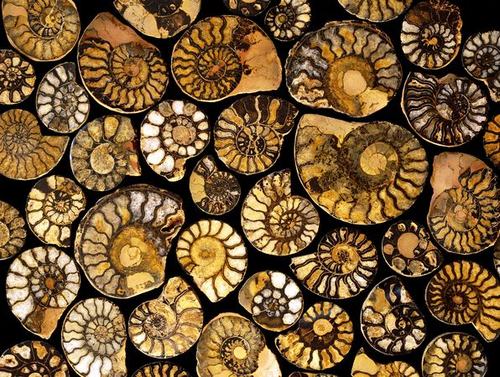
 Extinctions during the early Triassic period left Earth a virtual wasteland, largely because life literally couldn't take the heat, a new study suggests.
Between 247 to 252 million years ago, Earth was reeling from a mass extinction called the end-Permian event. The die-off had wiped out most life on Earth, including most land plants. The planet was baking, and life at the Equator struggled to survive.
Plants gobble up carbon dioxide, which warms the planet. So without them, Earth became "like a runaway greenhouse—it [started] to get out of control," said study co-author Paul Wignall, a paleontologist at England's Leeds University.
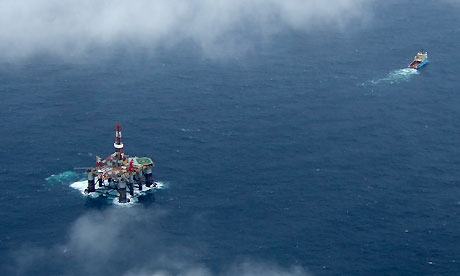 Oil will flow from the Falkland Islands seabed for the first time by 2017 according to Rockhopper, the exploration company drilling in the South Atlantic Ocean.
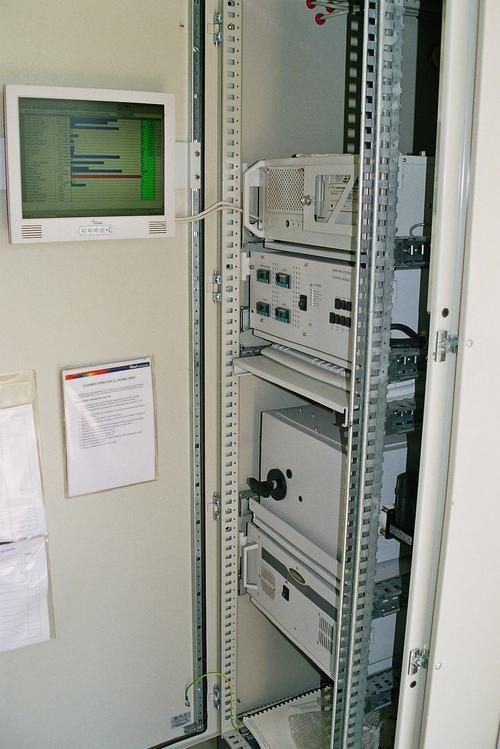 Emissions analysers have to be checked annually by certified testers and during recent functionality tests for a Gasmet FTIR continuous emissions monitor (CEM) at a UK Energy from Waste plant, the Nitrogen Dioxide span check results were found to be incorrect. A subsequent investigation revealed surprising results that would not have been apparent had the plant been using traditional CEMs.
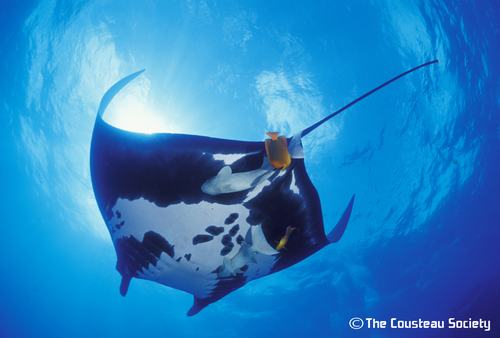 The Deep, in Hull, is the first aquarium in the UK to be invited to join the prestigious World Association for Zoos and Aquariums (WAZA).
 Once again the south west’s commitment to renewable energy is made clear as the Green Energy Awards receive 135 nominations - more than double the amount of entries compared to last year.